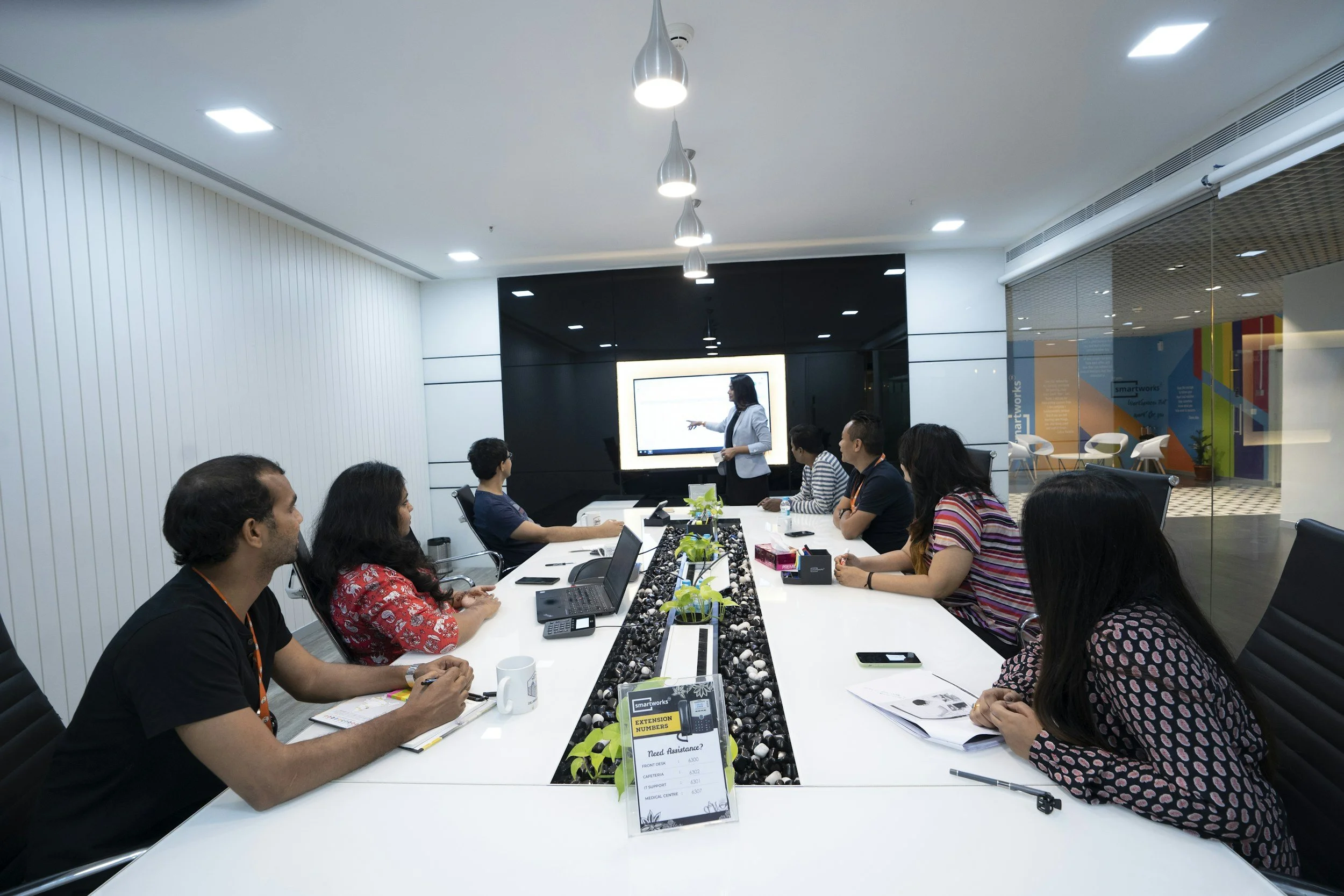

When capable people read the same situation differently.
In multicultural teams, the same moment can mean different things. A pause reads as hesitation, directness reads as rudeness, deference reads as lack of initiative. Nobody names it, but it quietly affects decisions, trust and retention.
Where it tends to show up
A manager sees hesitation; the team member sees due diligence
Feedback lands harder, or softer, than intended
Some people rarely speak up or raise concerns
Doubts about capability turn into micromanagement
Disagreement escalates, or never surfaces at all
It’s often most visible when someone first steps into leading a culturally diverse team
How I work with organisations
Every organisation is different, so there’s no fixed programme. Depending on what you need, the work can include:
Facilitated workshops for managers or teams
Guided reflection, so people can look at their own assumptions
Practical application to real situations your people are facing
Individual coaching for leaders who want more support
Who this is for
Organisations with people leaders working across cultures, including first-time managers, and teams that include people from different countries and backgrounds.
Who I am
I spent over twenty years in senior global HR roles, including as Global Head of Talent Mobility, helping people move between countries and make sense of new workplaces. I’m an Accredited Coach (Association for Coaching) and hold the SHRM-SCP. I live in Melbourne, having moved from India myself.
What a first conversation looks like
We talk about what you’re seeing in your teams, what’s been tried, and what would be useful. If I’m the right person to help, we’ll shape something together. If not, I’ll say so and, where I can, point you to someone who is.